



💬 “insightful! especially about how vulnerable and uncool it can feel to unabashedly want something.”
— Norma Ford, in the comments of Charlotte York was right, I fear
i should start with a confession.
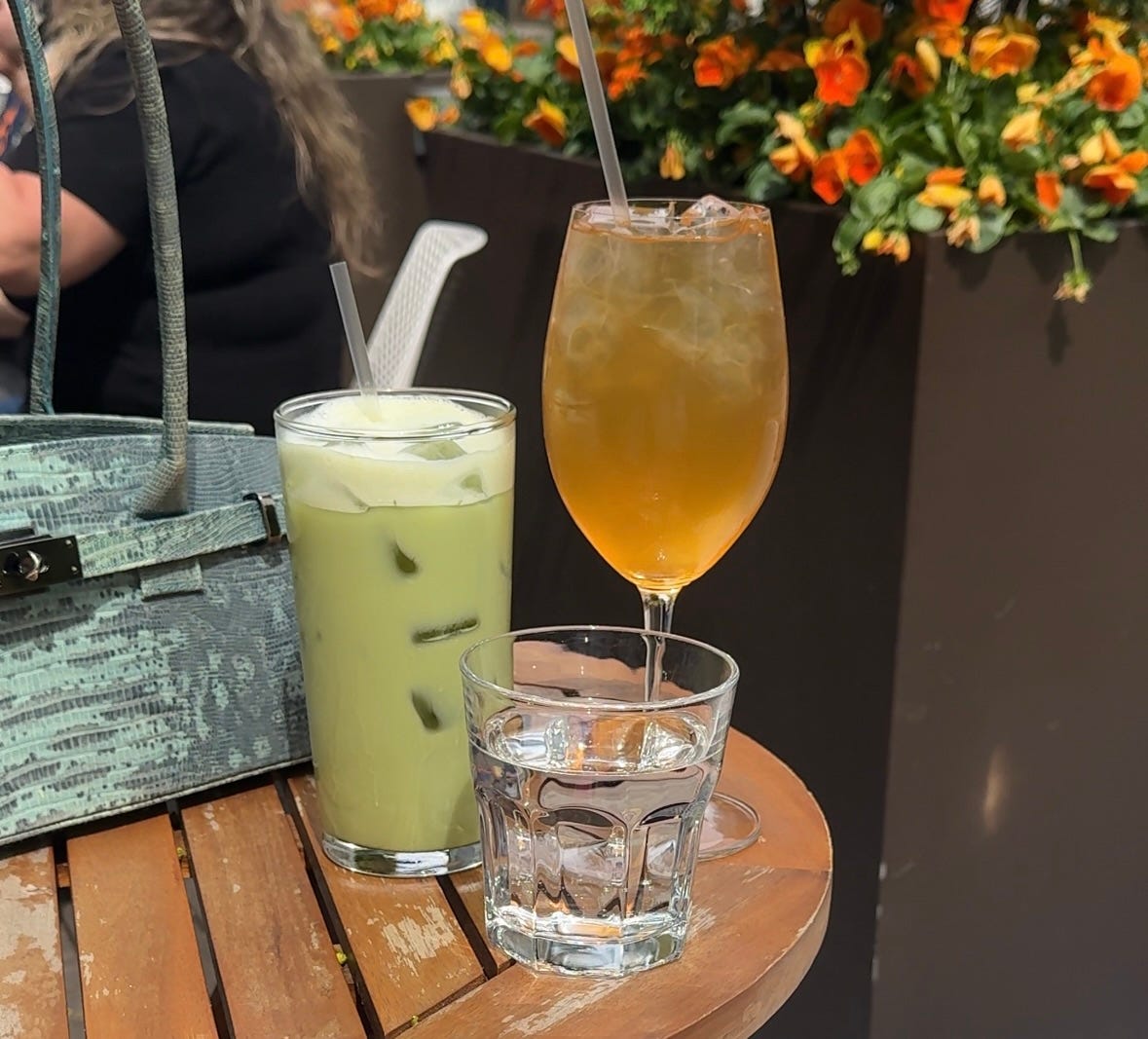
i have not posted a substack article in three weeks — not because i ran out of things to say. i have 13 drafts, 37 voice notes, and a rotating cast of three beverages on my local coffee shop table — one of which is always tea-in-wine-glass, because apparently i need theatrics to access a paragraph.
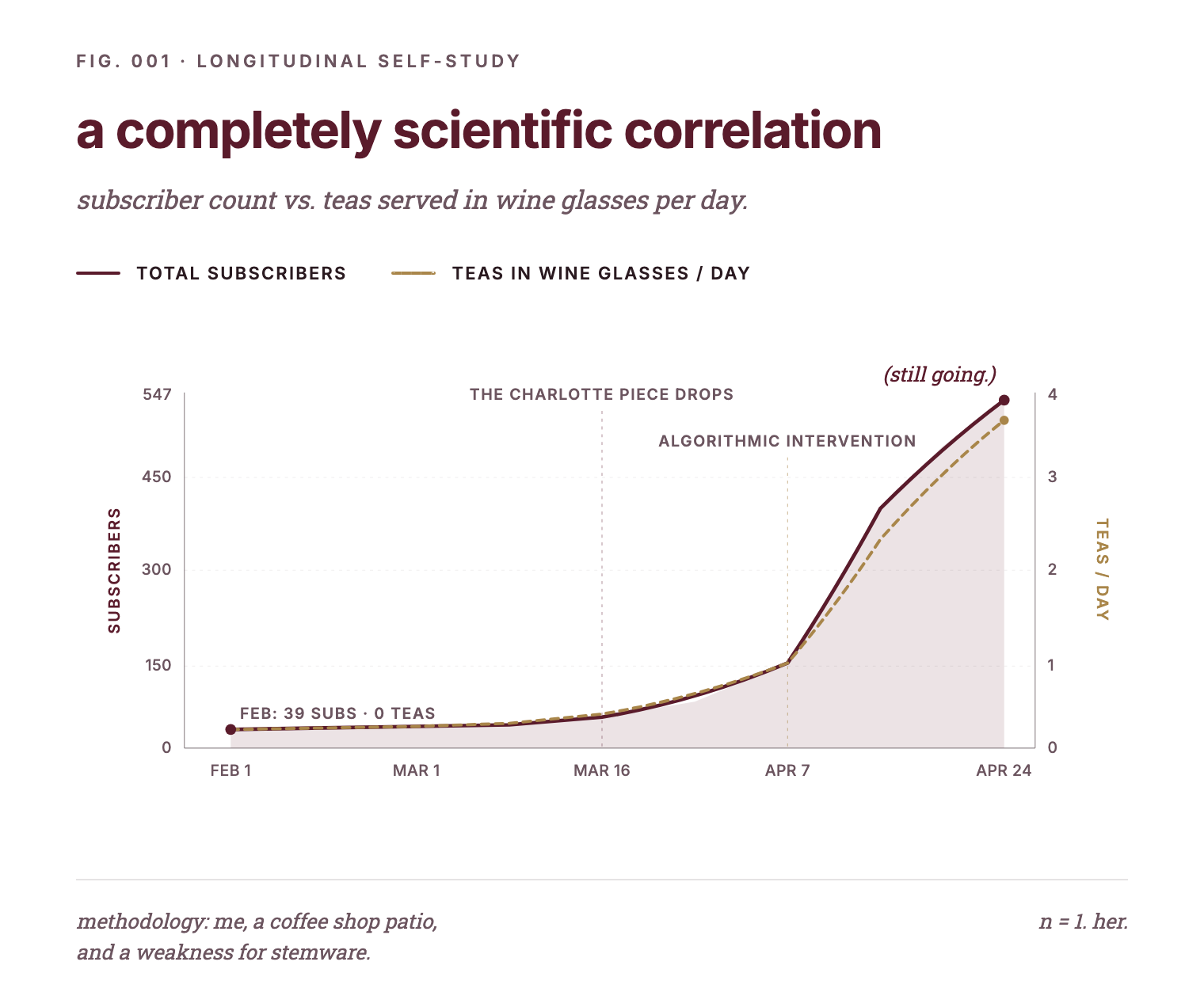
i have not published because three weeks ago, the Charlotte York piece went viral.
when this piece started moving — really moving — alas, dear reader. i did the least strategic thing possible.1

i froze. and instead of writing, i started watching.
refreshing my substack dashboard, screenshotting the subscriber count every time it ticked up, like that would explain something. like if i caught it in real time, i would understand the math of how it happened. because in the back of my mind, there was a steady, insistent thought:
this is going to stop. sarah, any minute now, it's going to f*cking plateau. but before it does, you'll figure out why it worked. and then — yes — thennnn you'll know exactly what to do next.
i reread the comments. not casually — like i was studying them. trying to find the formula, the catch, the thing i could point to and say, that’s why.
i wish i could say i handled it gracefully… but i reiterate — i didn’t!
[ serves mint tea in an attempt to cool my nervous system ]
because now everyone was watching, and i probably just got lucky, and who did i think i was, and maybe i should just stop posting for a while maybe i should wait until i had “something really good,” and —
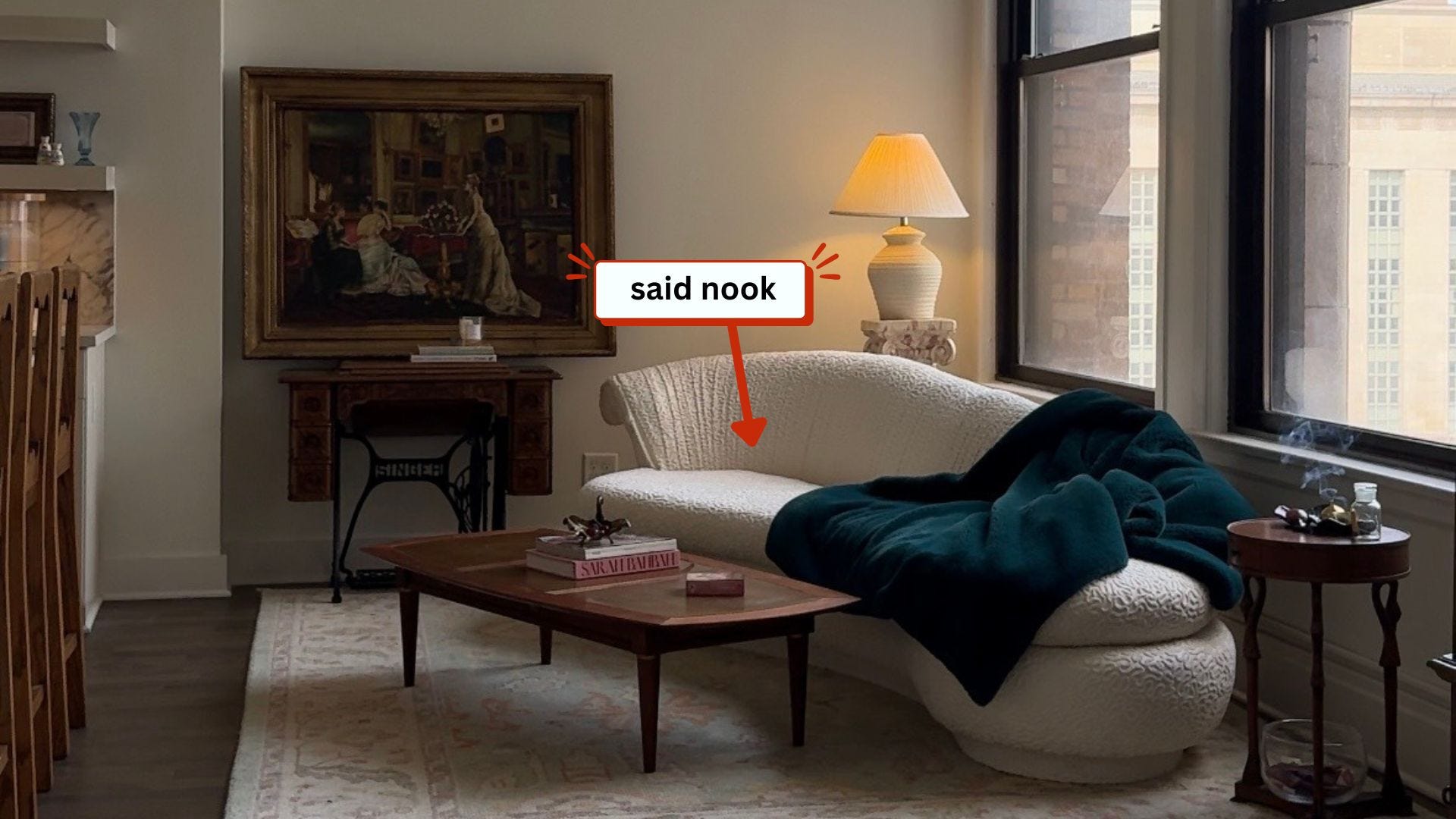
compressed into the nook of my fainting sofa like a renaissance painting2 mid-spiral, i caught myself:
oh, hello again.
i know this feeling.
i have studied this feeling! i have surveyed 175 women about this feeling!
and then, the second it showed up in my own life, i did exactly what 94% of women do.
i avoided it.
i had just become a case study in my own dataset.
the most interesting part of the Charlotte piece wasn’t the post.
it was the comments.
there was a specific undercurrent running through them, phrased a number of different ways but pointing to the same thing:
it feels embarrassing to want what i want.
the woman who said she felt ridiculous admitting she wanted a husband, a stable home, a partner with money. the woman who, at sixteen, knew she wanted a child without being “shackled to a man she’d be embarrassed about.” the woman who realized she was quietly closer to Charlotte than she had ever been “willing to admit.”
💬 “I think most women do know what they want, they are actually just scared of looking at it in the face — usually because what they want is too bold, too socially unacceptable, goes against our self-concept, or will be so disruptive and inconvenient that it doesn’t even get put on the table.”
most women are not confused — they’re over-informed. they already know exactly what they want. they’re just trying to want it in a way that doesn’t require a single thing in their life to change.
and even further, somewhere along the way, wanting that much started to feel… socially illegal.
💬 “The world has a specific type of jealously for a woman who is willing to voice she wants something out of her reach. We mark them as silly and naive, but maybe those criticizing are really just jealous she’s going for it.”
so instead of changing the life, we question the want. we soften it, intellectualize it, reframe it into something more palatable. we try to want it in a way that won’t disrupt anything. that won’t disrupt anyone.
we don’t look directly at our desires, because looking would require action.
but i had already started looking.
and once you start looking, it becomes very hard to pretend you don’t know.
[ quick, before you read more — is this resonating at all? ]
so why do we freeze when we get what we want?
💬 “It’s kind of scary to ask yourself what you actually want because the game is kind of over if you figure it out and get it.”
— Tuanai (the second-most-liked comment, for what it's worth)
in the most profoundly uncool way possible, i agree! it is kind of scary!
at first, i thought it was the visibility of it all.
i had built the desire for it. i had built the discipline to show up for it. i had even built the identity around it.
but actually standing on the stage of the exact thing i asked for, i realized, very quickly, my body did not yet believe i belonged there.
and the body, when it hits something unfamiliar, does what it’s designed to do.
it tries to pull you back.
back to a version of you where the rules of the game feel more “known.” back to what feels manageable and comfortable. back to the version of you who could still semi-credibly claim she didn’t know what she wanted.
yes, yes, yes — the body’s pull-back is real. it is also, mercifully, overridable — with practice, patience, and a willingness to feel delusional.3
‘doing the work’ is really just experimenting and seeing what moves stick. here’s what that looked like, for me:
move #1: tell yourself
what i was actually building, with all of it, was capacity. specifically: the capacity to stay.
i wrote it down. i said it out loud. i looked at myself in the mirror at 7am, in pajamas, and told my reflection she was a writer. i told her she could handle this. i told her she was someone who could be wanted by 547 strangers at once and not flinch.4
the practice is not graceful. depending on the day, the saying ranged from convincing to mildly unhinged. but here is what i learned: your brain doesn’t believe the identity-rewrite on day one. or day five. your body, under enough repetition, does. you are not convincing yourself. you are training the muscle that decides what normal feels like.
i kept doing it. because the alternative was waiting for evidence. and i, dear reader, was finished waiting.
move #2: physically move yourself
the spiral, i was learning, was a body problem before it was a thinking problem.
some mornings the spiral was loud enough that i would walk for an hour before i could sit down at my desk. some days it was yoga. but i almost always ended with my bare feet in the grass. which, when your usual baseline is six inches of heel between you and the pavement, hits different.
the cold and the texture do something specific. they snap the nervous system out of its loop. think of it as opening a window in a stuffy room — except the room is your body and the stale air is the spiral.
movement really is the cheat code. the body in motion drags the over-functioning mind behind it.
and underneath the mechanics, i was building a record. proof that i am strong. proof that i am capable. proof that — even on the days the spiral was loudest — i still showed up for myself and chose to tame that energy.
move #3: “drop into your heart” ✨
the body work was effective. it was also, in retrospect, just the prep work.
because dropping into my body got me out of the spiral. but the louder problem underneath was that i hadn’t been hearing my own voice through the mental static.
[woo-jargon incoming]:
dropping into my heart5 was how i finally passed myself the mic.
so every morning, the second i woke up, i listened to a 22-minute Dr. Joe Dispenza meditation on gratitude. in bed, before my phone, before coffee, before any input from the outside world. i chose to feed myself first.
the practice is simple. you breathe. you call to mind the things and people you are grateful for. you sit with the feeling until something in your chest glows.
here’s why it works: gratitude interrupts the body’s future-bracing. it forces you to look at what is already here — the people, the morning, the cup of coffee, the work you actually got to do. when you train yourself to enter that state on demand, you are teaching the nervous system that enoughness is a place you can return to without anyone giving it to you.
that softening ultimately became something i could access on command.
in the middle of a meeting. between paragraphs. waiting for the kettle. the shift became a muscle, and like any muscle, it got faster the more i used it.
move #4: see yourself
at this point — after the saying, the moving, the listening — the desire to change something visible felt like really honest expression.
mid-programmed hair trim, i rebelliously told my stylist to throw on a red gloss. it was just enough of a shift to interrupt the pattern. and unexpectedly, it opened up a whole new layer of play.
styling around it. experimenting again. the cream halter set i’d been saving for “later” suddenly looked like a thursday outfit.
changing something visible is how the body writes the new identity down. the hair, the dress, the lipstick — they’re external evidence of the internal shift the first three moves have been working on. they lock it in. they make the new woman visible to herself.
the relearning of which felt, frankly, overdue.
plot twist: it was never about being seen
here’s what the four moves actually built:
not insight. not breakthrough. just a baseline. a place to start each day from that wasn’t dashboard-refreshing-tea-in-wineglass-panic.
and from that baseline, i could finally see what was actually happening.
this wasn’t about visibility at all. it was about receiving.
because being seen, it turns out, is a form of receiving. receiving attention. receiving perception. receiving praise. receiving other people’s focus in a way that you can’t fully control.
and i don’t think i had built the capacity for that yet.
i had spent a decade getting very good at producing. nobody had ever taught me how to receive. it turns out — and i say this as a reformed executive/founder/ms. independent/certified, don’t-need-no-man baddie — those are different muscles entirely.
the girlboss generation got us very, very good at push. the part nobody taught us was let in.
and receiving was hard not just because it was unfamiliar. it was hard because, for me, receiving had always felt scarce. and deeply unsafe. and you do not extend yourself, vulnerably, toward a thing that has historically been scarce or unsafe.
you wait. you flinch. you brace. you collect data.
and then, on a random tuesday, you decide to say f*ck it — and just move.
what i actually want, said out loud
the truth underneath all of this is the same.
i want to be seen.
and if i’m being completely honest, what i want is not small.
i want to move people. i want something i say to land in someone else’s chest and make them feel more clear, or more themselves, or less alone.
i want to be a writer. i want to make incredible money doing creative work that actually matters to people.
i want to build a life that feels beautiful and expansive and fully mine — and to share it in a way that gives other women permission to do the same.
and i think part of why that has felt so hard to admit — even to myself — is because wanting that much still feels like it might be… too much. too unrealistic. too self-important.
💡 but the embarrassment of wanting what you want stops being embarrassing when you simply choose to stop being embarrassed.
let me pose a reframe…
embarrassment is not the price you pay
i used to think of embarrassment as a cost while building the life you want. a thing you pay and lose. a deduction from some imaginary account of dignity.
but the math, it turns out, is different.
every embarrassing thing i did this year compounded. it was not a deduction. it was a deposit.
the woman writing this essay tonight is the interest. she is what last year’s embarrassment paid out, with time.
and i suspect — knowing what i now know about receiving and about the body’s ability to learn — that the “embarrassment” of publishing this piece is just another deposit.
the Charlotte piece was prescribing the cure for something i had not yet diagnosed in myself.
every outfit, still, is a vote. now i’m voting louder. and learning, slowly, that every louder vote is also another deposit.
so this is where i’ll leave you:
what is the embarrassing thing you have been wanting in private?
what would it cost you, really, to make a small deposit toward it today?
the math is, as always, on your side.
your turn. 🤍
💅✨🎀
no, seriously:
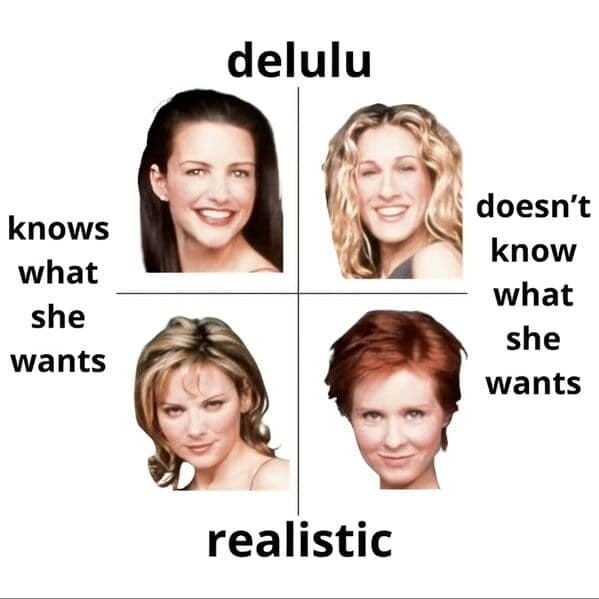
charlotte is the blueprint, remember?

 Tiktok failed to load.
Enable 3rd party cookies or use another browser
the heart generates an electromagnetic field about 60 times stronger than the brain's, and the brain syncs to it. "dropping into your heart" is the (real, measurable) act of letting that stronger signal lead. who knew.
Is so beautiful to realize cringe, awkwardness, vulnerability, mistakes, and failed attempts are often not proof you are failing… but proof you are actively becoming someone new 👏🏻✨
What you said about movement is so interesting! I've recently been learning about similar principles for stress relief; how literally shaking it off is a good way to blow off steam and tell your mind it's time to move on. Now I'm realizing there are so many other physical cues we can lean on to train our brains to get over things like embarrassment, self-consciousness, hesitation, etc. Fantastic piece 👏🏼